Who Is a Good Candidate for Breast Reduction?
The best candidates are those who are healthy enough for surgery and prepared for a recovery process that requires time and patience. Patients tend to be good candidates when they are:
- In good general health with no untreated medical conditions that increase surgical risk
- At or near a stable weight, since significant weight changes after surgery can alter results
- Non-smokers, or willing to stop using all nicotine products for several weeks before and after surgery
- Realistic about outcomes, including the trade-off of permanent scars in exchange for relief and reshaping
- Finished with childbearing and breastfeeding, or comfortable knowing that future pregnancy could affect both results and the ability to breastfeed
During your consultation, your surgeon will review your medical history, examine your breasts, discuss your symptoms and help you decide whether breast reduction, a different procedure or a combination is the best path forward.
Preparing for Your Breast Reduction Surgery
Your preparation instructions may be different, depending on your surgeon and your situation, but the following steps apply to most patients:
- Stop blood-thinning medications and supplements about one week before surgery. This includes NSAIDs (ibuprofen, naproxen, aspirin), fish oil, St. John’s Wort, ginkgo biloba, ginseng, turmeric, and vitamin E. Always check with your prescribing doctor before stopping any prescription medication.
- Avoid all nicotine products for several weeks before and after surgery. Nicotine restricts blood flow and is particularly risky in breast reduction because the procedure depends on healthy circulation to the nipple and incisions.
- Avoid alcohol for at least 48 hours before surgery. Alcohol can increase the risk of bruising and interact with anesthesia.
- Arrange transportation and help at home. Plan for someone to drive you home and stay with you for the first full day.
- Prepare a comfortable recovery space. Gather loose front-closing tops, extra pillows for propping yourself up, prescribed medications, easy meals and a water bottle within easy reach of your recovery space.
Insurance and Pre-Authorization
Unlike many cosmetic procedures, breast reduction is sometimes considered medically necessary, which means insurance may cover part of the surgery when certain criteria are met. Coverage rules vary widely between carriers, so it is always important to reach out to your provider for specific information. Most require documentation of physical symptoms, a record of conservative treatments that you have already tried and a minimum amount of tissue planned for removal based on your body size.
What to Expect During Surgery
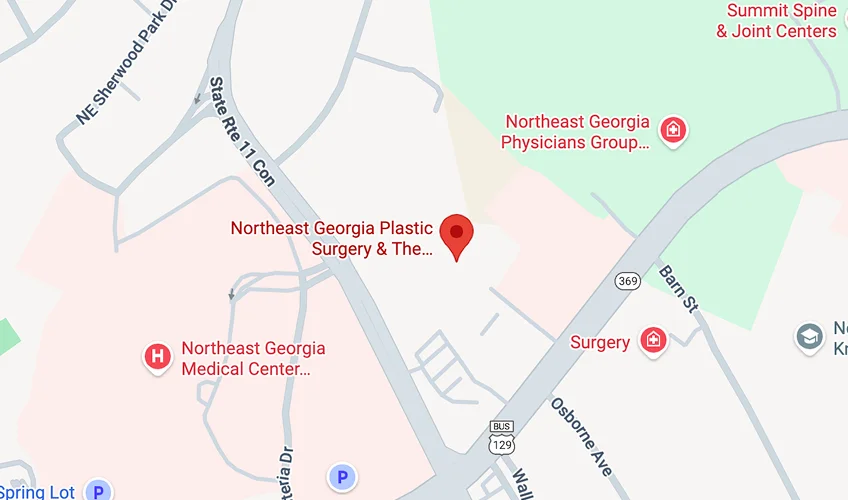
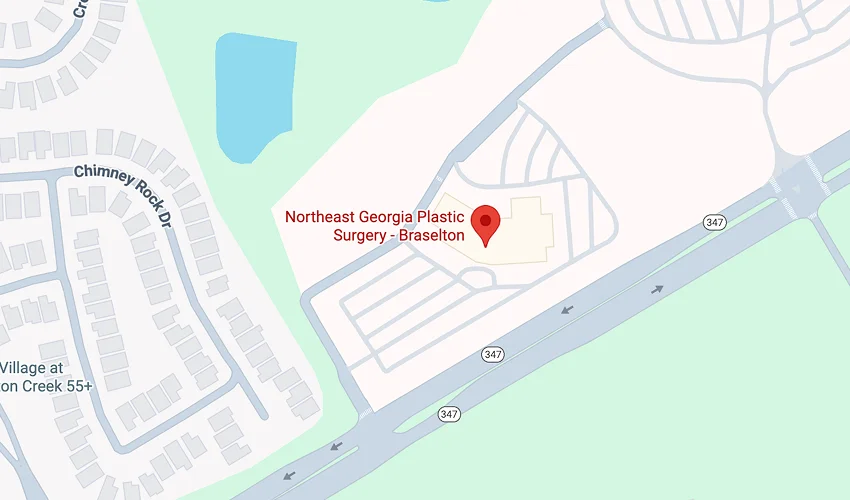
A breast reduction is performed under general anesthesia at an accredited surgical facility as an outpatient procedure. It typically takes about two to four hours to complete. Our surgeons operate out of accredited facilities in Gainesville and Braselton, which gives you convenient access to care close to home.
On the day of your surgery, you will arrive at our facility and meet with your surgical team. You will have time to ask any last questions, your surgeon will mark the planned incisions while you are standing, and the anesthesiology team will prepare you for the procedure.
Once you are comfortably asleep, your surgeon will make the planned incisions, remove the excess breast tissue, fat, and skin, and reposition the nipple and areola to their new location while preserving the blood supply. They may place a small drain to help control fluid and swelling during the first few days. When the breasts are reshaped and look symmetrical, the incisions are closed with absorbable internal sutures. You will wake up in a recovery area where nurses will monitor you until you are ready to go home.
Breast Reduction Recovery
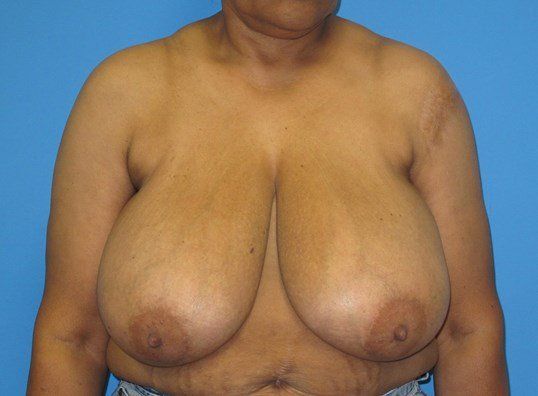
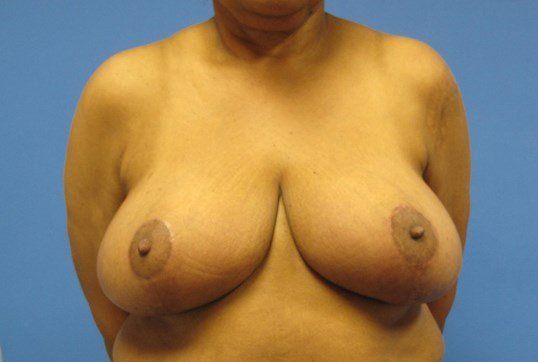
Visible results from breast reduction are immediate, but full healing happens in phases over several months:
- First 48 Hours: Soreness, swelling, and a feeling of tightness are normal. You will wear a surgical bra and rest with your upper body elevated. If you have a drain, you will receive instructions for caring for it at home.
- First Week: Most patients take about a week off from work if they have a desk job and longer if their job is active. Discomfort typically improves by day three or four.
- Weeks 1 to 2: You may feel close to normal for light daily activities, and driving is usually possible once you are off prescription pain medication.
- Weeks 4 to 6: With your surgeon’s clearance, you can ease back into your regular exercise routine, including upper body activity.
- Months 3 to 6: Swelling continues to resolve, and the breasts settle into their final shape. Scars begin to fade, though full scar maturation can take a year or longer.
- 6 Months and Beyond: Nipple sensitivity, which may be reduced or altered after surgery, typically continues to return during this window.
Recovery and Aftercare Tips
Your aftercare instructions will depend on your surgeon’s technique, so be sure to follow the specific guidance given to you after your surgery. In general:
- Wear your surgical bra or compression garment exactly as instructed. It supports the healing tissue and helps minimize swelling.
- Sleep on your back with your upper body slightly elevated. Avoid sleeping on your side or stomach until your surgeon clears it.
- Take pain medication as prescribed. Staying ahead of discomfort is easier than catching up to it.
- Keep incisions clean and dry. You should also watch for signs of infection, like increasing redness, warmth, or drainage.
- Avoid heavy lifting for several weeks. Get someone to help you with lifting small children, groceries, laundry baskets and more.
- Keep all of your follow-up appointments. Your surgeon will schedule them so they can track your healing and address any questions.
- Protect new scars from the sun. You may also be advised to apply scar gel or silicone sheets once the incisions heal to help scars fade.
Why Choose Us for Breast Reduction?
At Northeast Georgia Plastic Surgery, your safety and long-term results guide every decision we make. Our practice is led by a team of board-certified plastic surgeons, including Dr. Ed Abell, Dr. D.J. Campbell, Dr. Puya Davoodi, Dr. K. Glen Walton, and Dr. Basil Schaheen. Together, our plastic surgeons bring decades of combined experience to breast surgery, and breast reduction is one of the most rewarding procedures we perform because the relief it provides is so immediate and tangible.
Above all, we believe in honest conversations. If a different procedure or a combination approach would better fit your goals, we will tell you and help you think through the alternatives.