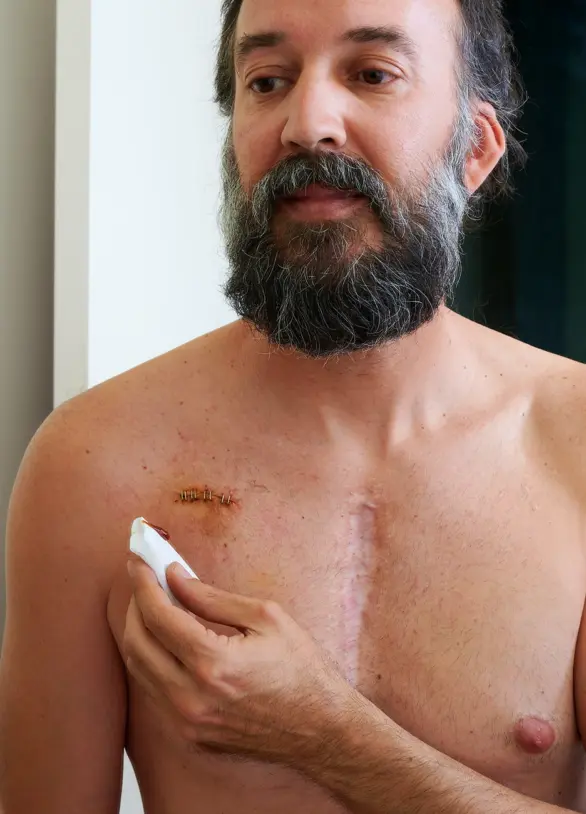
Mild soreness and tightness around the incision are normal in the first week. The timeline will depend on where the lesion was and how much reconstruction is needed. For the first 48 hours, you should focus on keeping the dressing dry. Keep your activity light to allow your body to rest and heal. You will be able to return to desk work within a day or two, and sutures will be removed after a week.
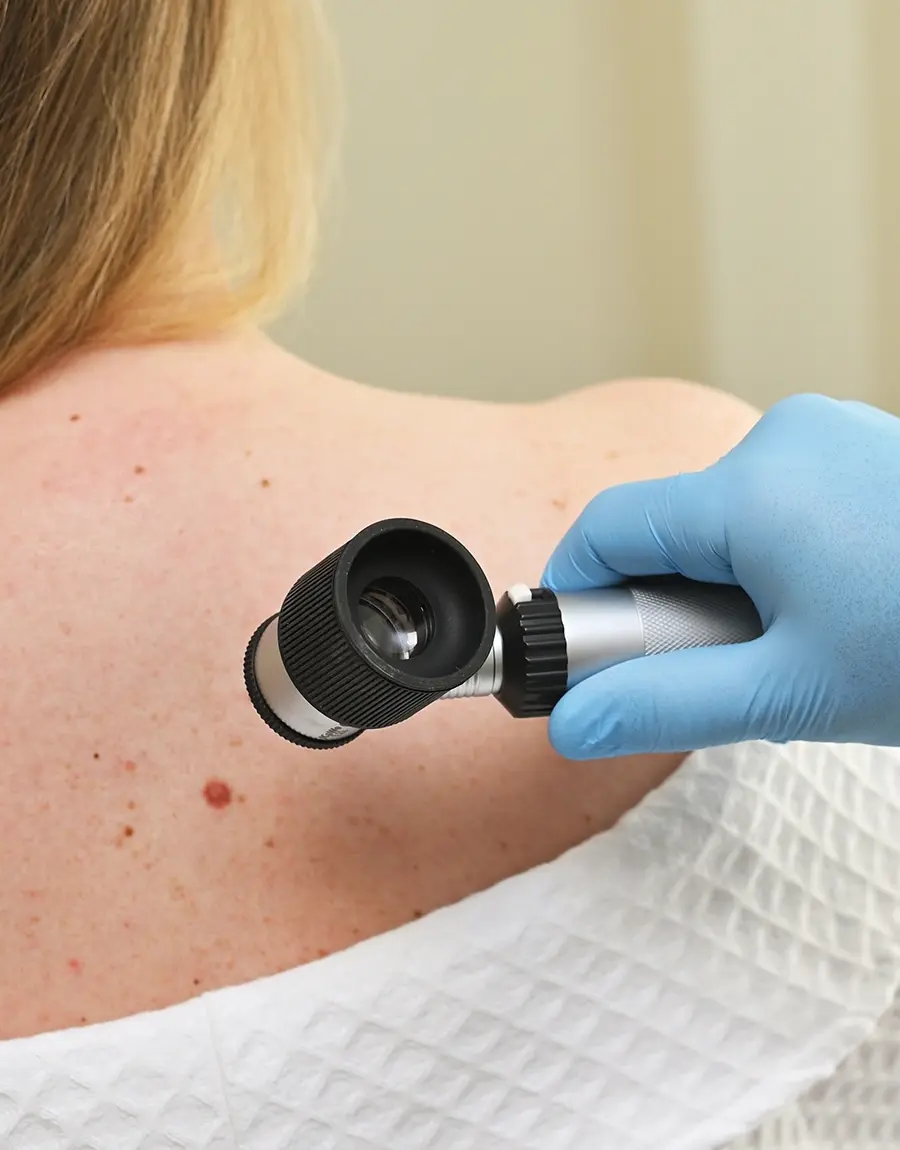
Between weeks two and four, swelling will go down, and the wound will begin to flatten. Over the next two to six months, scars continue to soften and fade. New scars are pink at first and gradually blend with the surrounding skin. You should continue with regular full-body skin checks so any new spots are caught early.
Aftercare Tips
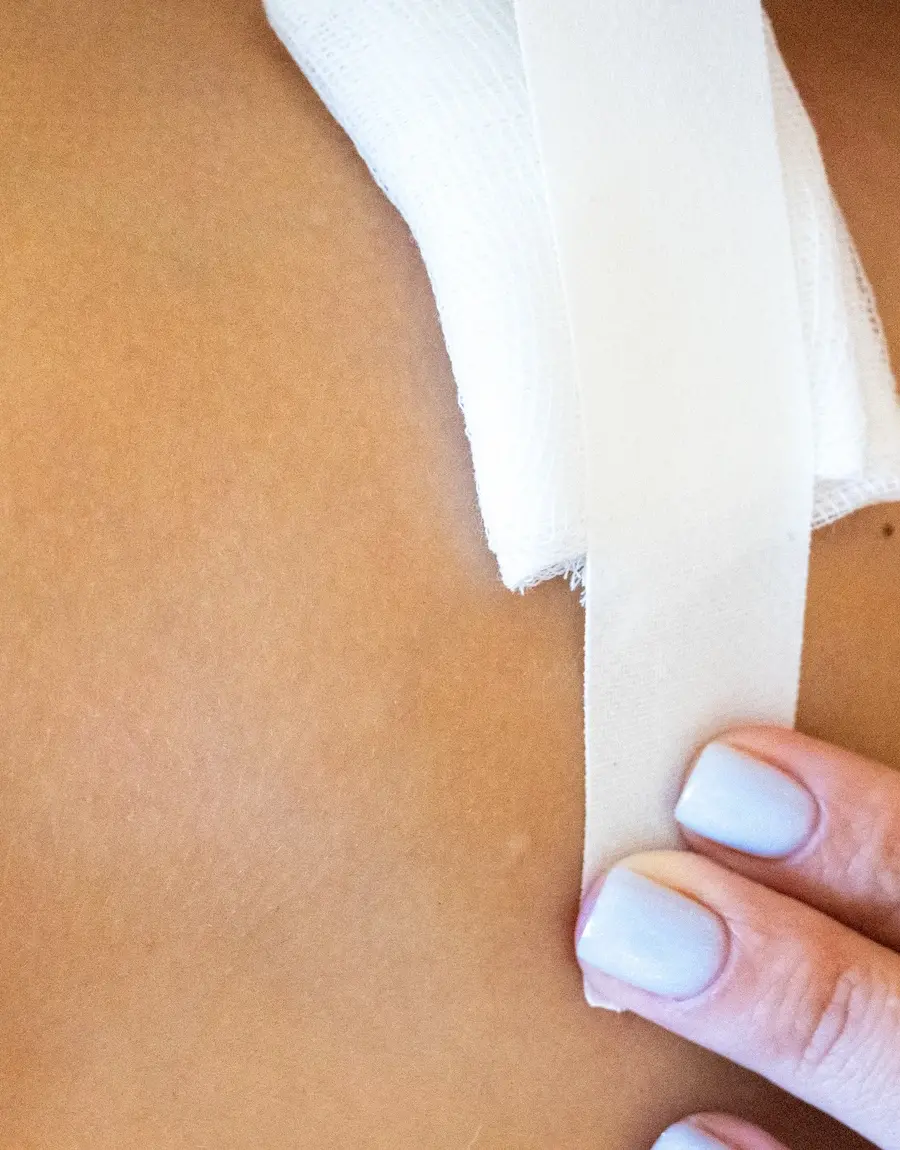
- Follow your wound care instructions exactly. This usually means gentle cleansing with soap and water, followed by an ointment and a fresh bandage.
- Watch for signs of infection. Increasing redness or warmth at the site, drainage or fever are signs that you should call us right away.
- Skip strenuous activity until cleared. Heavy lifting and intense workouts can pull on stitches and widen scars.
- Sleep with the surgical area elevated when possible. This is especially helpful for repairs on the face or scalp.
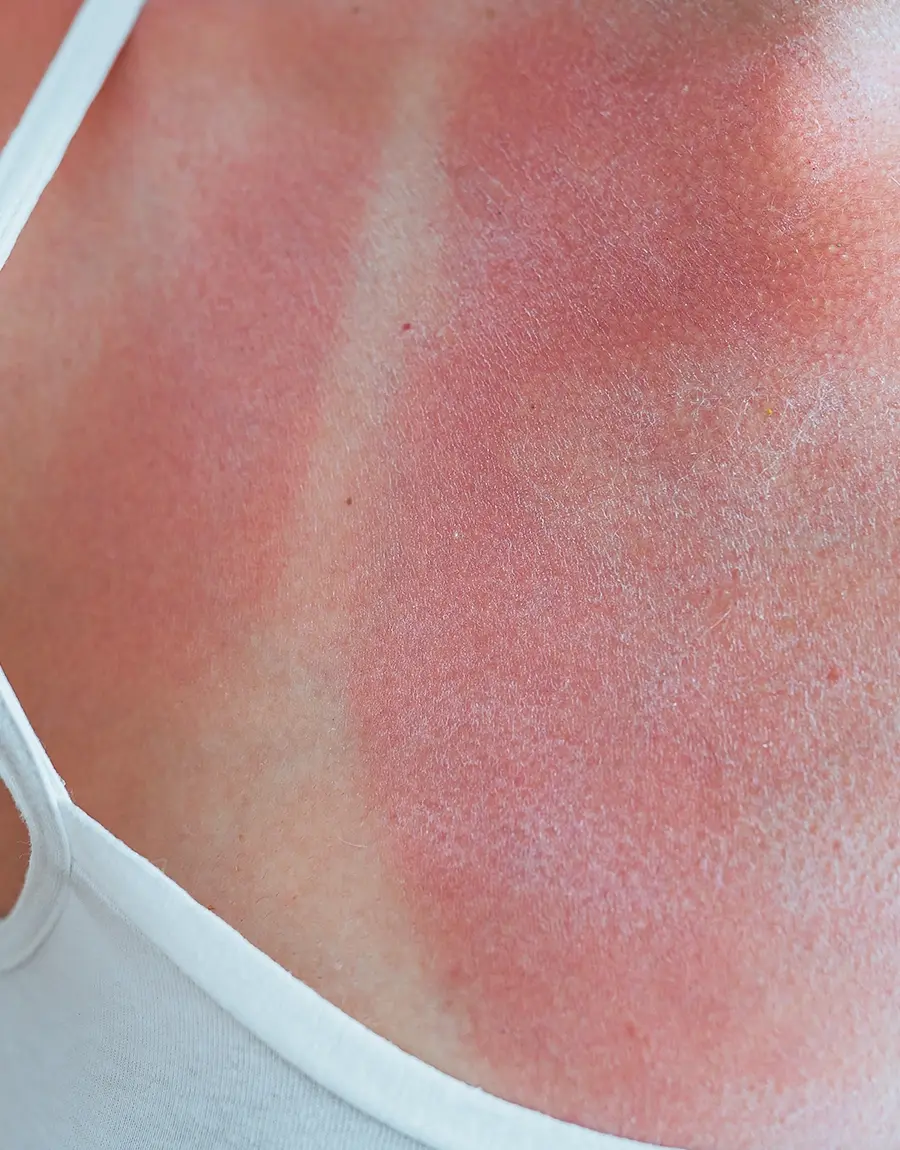
- Protect the healing skin from the sun. Use a wide-brimmed hat or clothing while the wound is healing, then transition to a broad-spectrum sunscreen of SPF 30 or higher.
- Apply scar therapy as directed. Silicone gel or sheets can soften scars when used consistently.
- Keep every follow-up appointment. These visits let your surgeon keep track of your healing and make sure the cancer is fully cleared.