Northeast Georgia Hand

What Is Hand Surgery?

Northeast Georgia Hand, a division of Northeast Georgia Plastic Surgery, gives patients throughout Braselton, Gainesville and the surrounding communities access to specialized care for hand, wrist and forearm conditions. Whether you’re managing chronic pain that’s been building for years or dealing with an acute injury, our board-certified surgeons treat every case with the same goal: to restore your comfort and get you back to functioning fully.

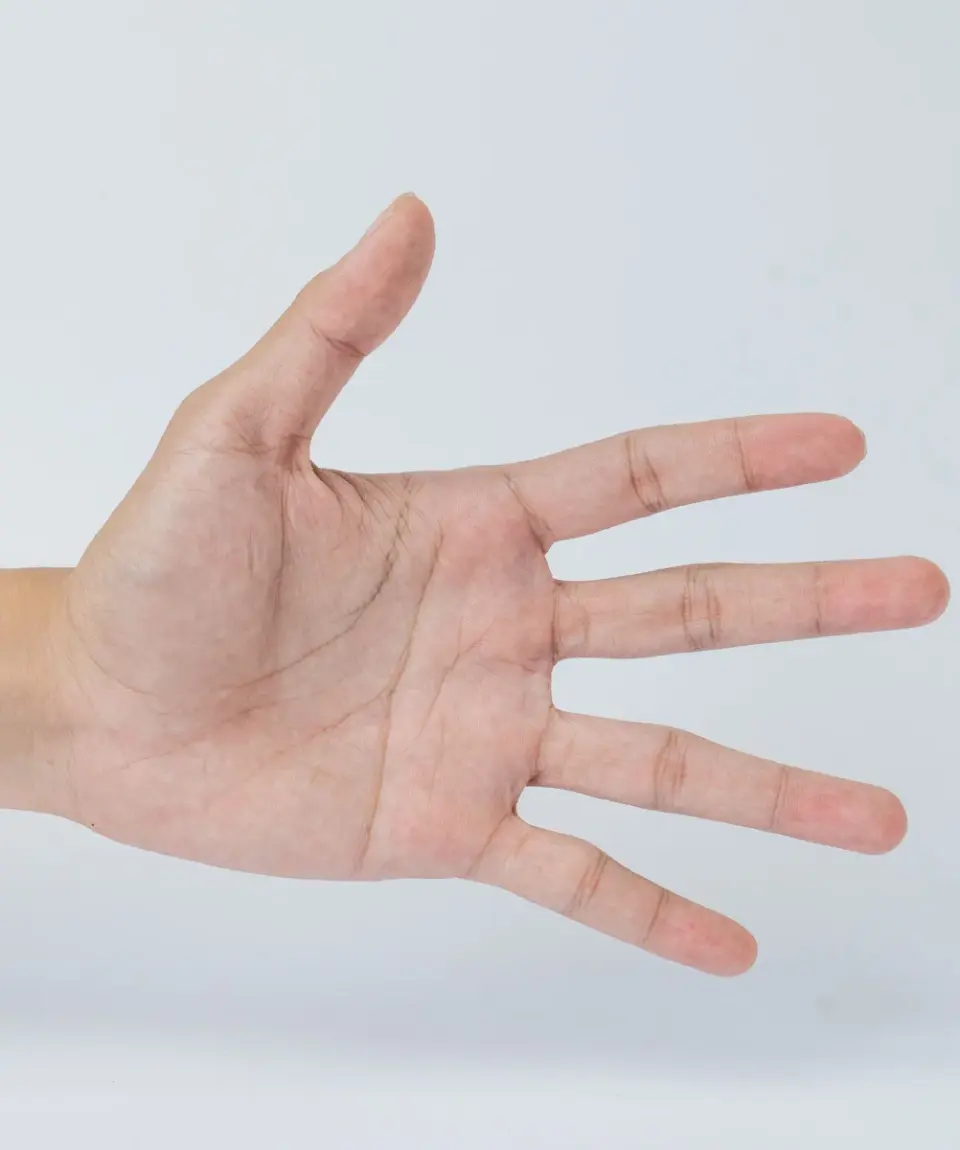
Hand surgery is a specialized field of medicine focused on diagnosing and treating conditions that affect the hands, fingers, wrist, forearm and elbow. At Northeast Georgia Hand, our options include both surgical and nonsurgical solutions, depending on the condition. Common goals include relieving pain, restoring movement and recovering function that’s been lost over time.
Northeast Georgia Hand

Conditions We Treat

Many hand problems start small: maybe a little stiffness here, or some occasional numbness there. Many patients wait longer than they should before seeking care, but early evaluation gives you more options. Below are the conditions we treat on a regular basis.

Carpal Tunnel Syndrome

Carpal tunnel syndrome occurs when the median nerve, which runs through a narrow passage in the wrist called the carpal tunnel, becomes compressed. Reduced blood flow to the nerve produces numbness, tingling (often described as a “pins and needles” sensation) and weakness, particularly in the thumb, index and middle fingers. Many patients notice it most at night or when gripping a steering wheel. When wrist bracing and activity modification don’t provide lasting relief, carpal tunnel surgery is often the most effective long-term solution.

Trigger Finger

Trigger finger happens when a mismatch in size between a flexor tendon and the sheath surrounding it prevents smooth movement. The tendon catches, causing the finger to lock in a bent position. It can affect any finger, including the thumb. Surgery widens the tendon sheath through a small incision in the palm, allowing the tendon to glide freely.

Dupuytren’s Contracture

Dupuytren’s contracture is a progressive condition where thickened tissue beneath the palm gradually pulls one or more fingers (usually the ring and little fingers) into a permanently bent position. Patients often first notice a small lump or cord-like thickening in the palm. When fingers can no longer straighten and function is limited, surgical correction is the most reliable option.

Hand & Finger Fractures

Fractures in the hand or fingers are more common than most people expect, and they range considerably in complexity. A fracture that heals in the wrong position can leave lasting deformity or a limited range of motion, which is why evaluation by a specialist matters even for what seems like a “minor” break. Treatment depends on the location, type and severity of the fracture and ranges from splinting and casting to surgical stabilization.

Nerve Injuries

Nerve damage in the hand can result from lacerations, crush injuries, burns or significant trauma. The effects range from partial sensory loss to complete loss of motor function in the affected area. Our surgeons have specialized training in microsurgical nerve repair and reconstruction. Outcomes depend heavily on the timing of treatment and the skill of the surgeon performing the repair.

Finger Joint Arthritis

Arthritis of the small finger joints can develop from overuse, prior injury or inflammatory conditions like rheumatoid arthritis or gout. When conservative measures like anti-inflammatory medication, splinting and steroid injections stop providing enough relief, surgical options include joint replacement (using artificial implants, similar in concept to hip or knee replacements) or joint fusion for end-stage arthritis at the fingertip.

Wrist Arthritis

Loss of cartilage between the small bones of the wrist can lead to grinding that results in pain, inflammation and diminished grip strength. Causes include prior injury, ligament damage, inflammatory disease or genetic predisposition. Surgical options depend on which bones are involved and how advanced the arthritis is, and may include partial or complete wrist fusion or arthroplasty at the base of the thumb.

Ganglion Cysts

Ganglion cysts are fluid-filled lumps that form on or near joints and tendons in the hand and wrist. They’re common, non-cancerous (benign) and can fluctuate in size. Sometimes, they even spontaneously disappear on their own. When a cyst causes pain, limits movement or is bothersome, aspiration or surgical removal are the treatment options. While ganglion cysts often reappear after aspiration, recurrence is less common following surgical removal.

Guyon’s Canal syndrome

Similar in some ways to carpal tunnel syndrome, Guyon’s canal syndrome involves compression of the ulnar nerve as it passes through a narrow channel at the wrist called Guyon’s canal. Symptoms typically include burning pain, pins and needles in the ring and little fingers and weakness in the hand. It’s often caused by prolonged pressure on the wrist. Surgical release relieves the pressure on the nerve and restores function.

Hand Infections

Some infections of the hand require more than antibiotics. When infection becomes trapped in a closed space, such as a tendon sheath or deep tissue compartment, surgery may be needed to drain and thoroughly clean the area. In severe cases, debridement removes damaged or non-viable tissue to allow proper healing and prevent the infection from spreading.

Need Care

How Do I Know If I Need Surgery?

Some hand conditions respond well to nonsurgical treatment, especially when caught early. Others are more likely to require surgery because they involve nerve compression, fractures, tendon injuries or joint damage. If nonsurgical treatments are no longer helping, or if function is starting to decline, surgery may be the most effective way to relieve pain and restore mobility.

Nonsurgical care may be appropriate when… Hand surgery may be recommended when…
Symptoms are mild, early or intermittent Symptoms are severe or persistent
The condition is driven by inflammation, overuse or irritation The condition involves structural problems or progressive damage
Bracing, medication, injections or observation are still helping Conservative treatment has failed or is unlikely to solve the problem
Your main goal is symptom relief without surgery Your main goal is lasting correction and restored function

“The first thing I do with anybody, whether it’s an elective patient or a trauma patient, is get to know them a little bit and see what their goals are, what things they like to do, what they do for work, what resources they have. That helps me understand what they need.”

- Dr. Emily Schaheen

Northeast Georgia Hand

What Types of Hand Surgery Are Performed at Northeast Georgia Hand?

At Northeast Georgia Hand, our recommendations are always guided by what’s actually best for each patient. Sometimes that means surgery, and sometimes it means starting with more conservative treatments first and closely monitoring progress. When surgery is the right path, our team performs the full range of hand and upper extremity procedures.

Carpal Tunnel Release

The standard surgical treatment for carpal tunnel syndrome, this procedure relieves pressure on the median nerve by cutting the transverse carpal ligament. It takes about 10-30 minutes and is one of the most commonly performed hand surgeries in the country, with high success rates when performed by an experienced surgeon.

Trigger Finger Release

A small incision in the palm allows your surgeon to widen the tendon sheath, allowing for smoother, freer movement. Most patients experience significant and immediate relief from the catching and locking they experienced before surgery.

Finger Joint Replacement & Fusion

For Surgery for Arthritis arthritic joints that are no longer responding to nonsurgical treatment, the two main surgical options are replacement with an artificial joint or fusion. Replacement is more common at the MCP and PIP joints (the two joints closest to the hand), while fusion is typically preferred at the DIP joint.

Wrist Arthroscopy & Fusion

Wrist arthroscopy uses a small camera to see inside the wrist joint, allowing your surgeon to diagnose and treat problems through a small incision. This approach is particularly useful for sports injuries, arthritis and ligament conditions. Compared to open surgery, it offers less pain and a faster recovery.

Dupuytren’s Contracture Correction

Surgical correction of Dupuytren’s contracture removes or divides the thickened cord of tissue that pulls the fingers inward, allowing them to straighten. The extent of surgery depends on how much tissue is involved and which structures are affected.

Surgical drainage & Debridement

For serious hand infections, surgical intervention involves opening the infected area, draining trapped material and irrigating the space thoroughly. Debridement removes contaminated or non-viable tissue to create conditions that support proper healing.

Skin Grafts & Flaps

When an injury, amputation or excisional procedure removes skin from part of the hand or arm, a skin graft or flap may be needed to restore coverage. Grafts use donor skin from elsewhere on the patient’s body, while flaps maintain their own blood supply and are used for deeper, more complex wounds.

Bone, Tendon & Nerve Repair

Traumatic injuries often require repairing multiple structures at once. Our team’s advanced training in microsurgery enables us to work on the small nerves and blood vessels with a high level of precision, restoring as much function as possible.

What to Expect

Consultation Through Recovery

01

What Will My Consultation Be Like?

During your consultation, your surgeon will conduct a thorough evaluation of the affected hand or limb, looking at range of motion, strength, sensation and other factors. They’ll explain what’s happening, review your nonsurgical options (and whether they’re likely to succeed), and walk you through what surgery would involve if it’s the recommended path. This first appointment provides an opportunity to explore and understand your treatment options.

02

What Happens During Surgery?

The length and complexity of hand surgery vary considerably by procedure. Some cases take 20 to 30 minutes to complete, while others involving microsurgical nerve or tendon repair can be expected to last significantly longer. Your provider will go over what to expect during your consultation, including surgery time, anesthesia (typically a regional nerve block, WALANT local anesthesia, or general anesthesia), pre-op guidelines and recovery expectations. Following surgery, the operative area will be protected with a splint, cast or dressing.

03

What Is Recovery Like After Hand Surgery?

Recovery timelines depend on what was done. Carpal tunnel release, for example, typically involves a much shorter recovery than complex tendon or nerve repair, which may require weeks of hand therapy to regain full function. We provide detailed post-op instructions at discharge and schedule follow-up appointments to monitor healing and adjust the plan as needed. Adhering to these instructions and working with a physical therapist (if recommended by your surgeon) greatly impacts both healing and function after surgery.

Testimonials

What Our Clients Say About Us

“She really cares about her patients”

I had surgery for dupuytren’s contracture and trigger finger. two successful surgery’s. Dr. Schaheen is a very good Dr. and a wonderful person, her staff is very competent and are there to help you. She really cares about her patients.

- Tim M.

“Dr. Schaheen explains everything top to bottom”

I cut my pinky flexor tendon mid-July, and had a different doctor operate. When I hadn’t seen the greatest results, I went to Dr. Schaheen and she scheduled me for surgery immediately with full communication on what needed to be improved. My surgery was early October, and the scar is already almost non-existent! She is EXTREMELY knowledgeable, and a joy to talk to. She has the sweetest, most nurturing personality. Dr. Schaheen explains everything top to bottom. The only negative thing about her is that I can’t rate above five stars. Dr. Scaheen, you are a JOY!!!!!

- Miranda P.

“Dr. Schaheen is professional, upbeat, encouraging & skilled!!!”

Dr. Schaheen is professional, upbeat, encouraging & skilled!!! Her surgery on my hand far exceeded my expectations. I highly recommend for your surgery needs.

- Sherri

“Professional, knowledgeable, and communicative”

Professional, knowledgeable, and communicative. I’ve only seen her once but she analyzed my hand, recommended a course of action, followed through, and it all worked fine. I can’t say enough about how much I’m impressed. Need a recommendation? Choose her.

- John K.

“Treated me like family through the whole process”

Amazing physician and staff. Dr. Schaheen took extra time to explain everything to me and allowed me to ask questions, insured I had no complications after surgery, and treated me like family through the whole process.

- Paul W.

Frequently Asked Questions

FAQ

Do I need surgery for carpal tunnel?

Not always. Many patients with mild or early carpal tunnel syndrome improve with nonsurgical treatment such as wrist bracing, activity modification and anti-inflammatory medication. Surgery is typically recommended when symptoms keep returning and interfere with normal function. During your consultation, our team will evaluate the severity of the nerve compression and help determine whether surgery is the best approach for your specific situation.

Will I need physical therapy after hand surgery?

Sometimes, but not always. The need for hand therapy depends on how much stiffness, weakness or loss of motion is expected during recovery. Simpler procedures, such as carpal tunnel surgery or trigger finger release, may require only a short period of home exercises, while more complex surgeries involving fractures or joint reconstruction are more likely to benefit from physical therapy. Our team will let you know what kind of rehabilitation is appropriate for your recovery and monitor your progress closely after surgery.

What nonsurgical options are available?

Not every hand or wrist condition requires surgery. Depending on the diagnosis, nonsurgical treatment may include splinting or bracing, activity modification, anti-inflammatory medication, corticosteroid injections, wound care, antibiotics for infection, or close observation. In some cases, these conservative measures are enough to relieve symptoms or slow progression. In others, they may help temporarily but become less effective over time.

Is hand surgery performed under general anesthesia?

Many hand procedures can be performed under local or regional anesthesia, meaning only the hand and arm are numbed rather than the entire body. At Northeast Georgia Hand, Dr. Schaheen frequently uses WALANT, a surgical technique that uses lidocaine and epinephrine to control pain and bleeding, allowing patients to stay awake during surgery and avoid arm tourniquets. That means no post-op grogginess and no tourniquet discomfort or pressure. The anesthesia approach depends on the complexity and duration of the procedure.

What is the difference between a hand surgeon and an orthopedic surgeon?

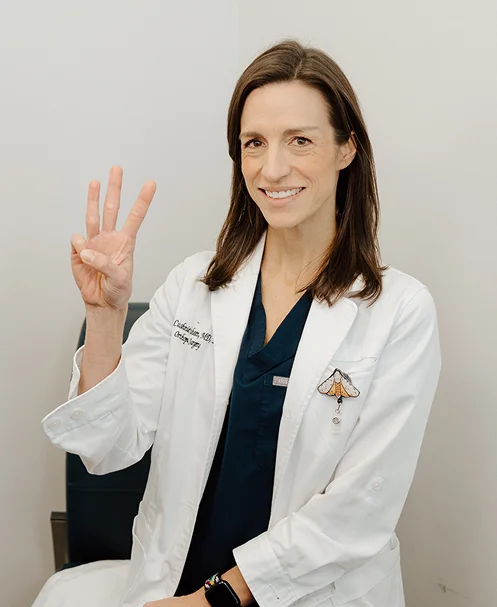
Hand surgeons are typically orthopedic or plastic surgeons who have completed an additional fellowship specifically in hand and upper extremity surgery. Not every orthopedic surgeon is a hand specialist; fellowship training is the distinguishing factor. Dr. Emily Schaheen is fellowship-trained in hand and upper extremity surgery and ABOS board-certified, while our plastic surgeons have years of experience in treating complex hand, wrist or forearm conditions.

When should I see a hand specialist rather than my primary care doctor?

If you’re experiencing persistent numbness, tingling, weakness, pain or limited movement in your hand, wrist or fingers that hasn’t improved with splinting or rest, it’s worth seeing a specialist. Your primary care provider can offer a referral, or you can contact our office directly to schedule a consultation.

Is Northeast Georgia Hand accepting new patients?

Yes, we are currently accepting new patients at Northeast Georgia Hand, a division of Northeast Georgia Plastic Surgery. We see patients at our Gainesville and Braselton locations. Contact our office to schedule a consultation for hand, wrist or elbow conditions.

Get the Expert Care You Deserve

Small problems in the hand, wrist or forearm have a way of becoming big ones if left untreated. If pain and numbness are starting to interfere with daily life, schedule a consultation with our team to get an expert evaluation and explore your options. Contact us today or call our office at 770-534-1856 to get started! Together, we’ll develop a plan that helps you regain your comfort and function.


Care That's Close To Home

Locations & Contact

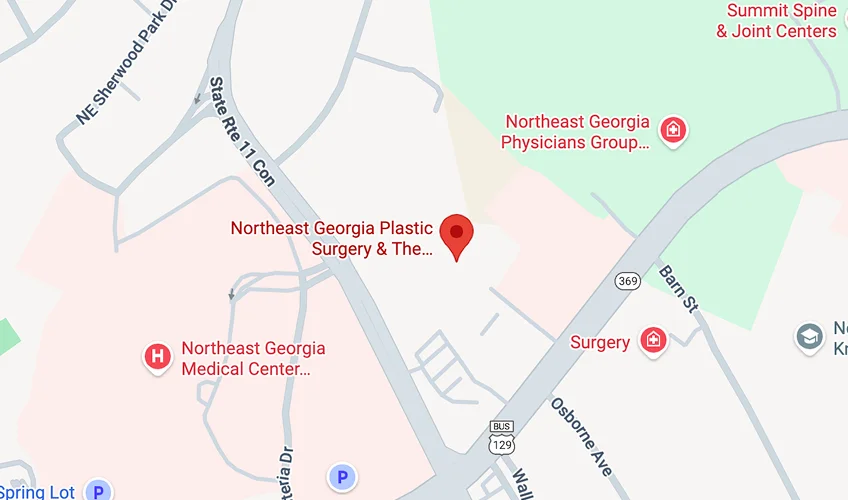
Gainesville


Northeast Georgia Plastic Surgery & Aesthetic Center of Gainesville

1296 Sims Street, NE Suite B Gainesville, GA 30501

770-534-1856

Hours of Operation

Monday – Thursday: 8AM – 5PM
Friday: Availability varies, please call to confirm

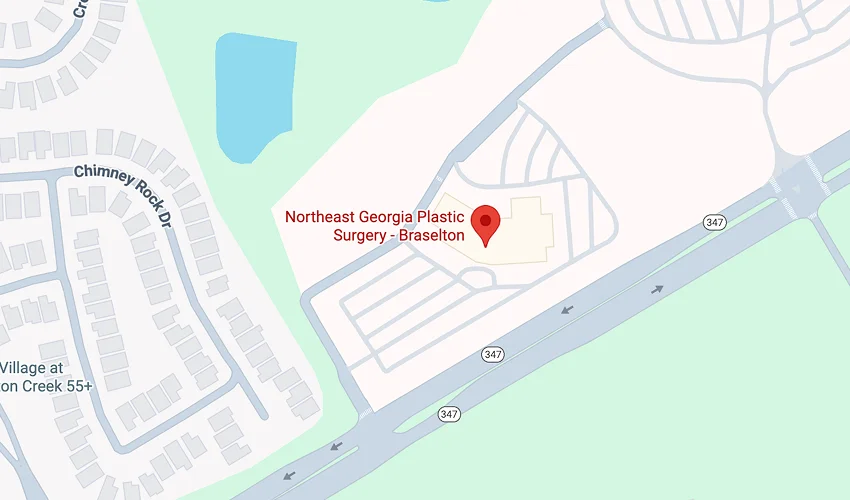
Braselton


Northeast Georgia Plastic Surgery

Medical Plaza 1, 1515 River Place, Suite 365 (3rd Floor) Braselton, GA 30517

770-534-1856

Hours of Operation

Monday – Thursday: 8AM – 5PM
Friday: Availability varies, please call to confirm

Your confidence begins with a conversation

Request Consultation

Request Your Cosmetic Surgery Consultation

By opting into our SMS messaging service, Northeast Georgia Plastic Surgery collects your mobile phone number solely for the purpose of sending you text updates regarding appointment reminders, or to answer your specific inquiries. We will never sell or share your phone number with third parties for marketing purposes. To stop receiving texts, simply reply 'STOP' to any message. See our full Privacy Policy for more details on how we handle your information.