About

Carpal Tunnel Surgery

The carpal tunnel is a narrow passageway in the wrist that is surrounded by bones and ligaments on the palm side of the hand.

Within the carpal tunnel you’ll find the median nerve – a nerve that is comprised of nerves from the cervical spine, which runs down the arm and forearm, through the carpal tunnel and into the hand. The median nerve gives motor signals to some of the muscles in the hand and sensory signals to the thumb, and index, middle and part of the ring fingers.

If the median nerve is compressed, symptoms can include numbness, tingling, and weakness in the hand. This is known as carpal tunnel syndrome.

01

Carpal Tunnel Syndrome Symptoms

  • Weakness of grip
  • Pain or numbness in one or both hands
  • Pins and needles feeling in the fingers
  • Swollen feeling in the fingers
  • Burning or tingling in the fingers, especially the thumb and the index and middle fingers
  • Pain or numbness that is worse at night and interrupts sleep

Risk Factors

Carpal Tunnel Causes

This is no one cause for the development of carpal tunnel syndrome. Carpal tunnel syndrome occurs when the median nerve becomes ischemic, or lacks oxygen due to limited blood flow, when pressure is increased in the carpal tunnel. This can occur due to a wide number of possible factors such as the following:

Repetitive Use

Repetitive use is perhaps one of the most common risk factors for the development of carpal tunnel syndrome. This includes frequent, repetitive, small movements with the hands, such as typing, and frequent, repetitive, grasping movements, as found in many sports, physical activities and various occupations. The most common workplace factors include working with vibrating tools or on an assembly line that requires prolonged or repetitive flexing of the wrist as it can cause harmful pressure on the median nerve.

Medical Conditions

Various joint and bone diseases can be a risk factor for the development of carpal tunnel syndrome, such as arthritis. In addition, changes in blood sugar levels, as often seen with type 2 diabetes, increase the risk of nerve damage, including damage to the median nerve. We also see patients who develop carpal tunnel syndrome specifically during pregnancy.

Injury

Injuries can also spur the development of carpal tunnel syndrome, including anything that causes swelling or inflammation to the area such as strain, sprain, or dislocated or broken wrist.

Lifestyle

In addition to repetitive use, there are several lifestyle factors that can increase the chances of carpal tunnel syndrome. Obesity is a risk factor as is a patient’s genetic inclination to develop the syndrome. Regardless of cause, women are generally more likely to develop carpal tunnel than men, possibly because the carpal tunnel area is relatively smaller in women than in men. Plus, fluid retention, which is common during pregnancy and menopause, may increase the pressure within the carpal tunnel, irritating the median nerve. Carpal tunnel syndrome associated with pregnancy generally improves after the baby is born.

Release

Non-surgical methods to release carpal tunnel pressure

For those facing carpal tunnel discomfort, there are a few non-surgical lifestyle changes that can help release pressure.

Wear a wrist brace while sleeping to keep the wrist in a neutral position, thus increasing volume in the carpal tunnel and decreasing pressure on the nerve

Learn healthy computer habits and modify any hand activity that might be causing compression

Increase overall physical activity and consider weight loss if appropriate

Talk to your doctor about addressing inflammation with a cortisone shot

Perform hand and wrist stretching exercises

Stop using tobacco of any kind

02

What Is Carpal Tunnel Surgery?

Carpal tunnel surgery is a special kind of hand surgery that involves releasing the pressure within the carpal tunnel so that the median nerve regains normal blood flow and function. This is done during a short procedure in which a small incision is made in the palm and the ligament that forms the roof of the carpal tunnel is divided, thus releasing the pressure within the carpal tunnel.

If conservative, non-surgical treatment does not provide sufficient or sustained relief from symptoms, or if the median nerve dysfunction is severe enough to cause damage to muscles in the thumb, carpal tunnel surgery may the best next step in treatment.

03

Recovery from Carpal Tunnel Surgery

Immediately after carpal tunnel surgery, patients are given a soft dressing and allowed to move the fingers and wrist as can be tolerated. Movement is encouraged to prevent stiffness. The sutures are usually removed 10 to 14 days following surgery.

While the recovery time will vary based on patient and the severity of the case, patients typically recover in 2 to 4 weeks and are back to normal activities roughly 4 weeks after surgery. We recommend avoiding heavy lifting for the first 4 weeks after surgery.

Tired of struggling with the discomfort of carpal tunnel syndrome? Call Northeast Georgia Plastic Surgery & Northeast Georgia Hand today to schedule a carpal tunnel surgery consultation. We’d love to help you get back to your life free of pain and limitations.

Testimonials

What Our Clients Say About Us

“Treated me like family through the whole process”

Amazing physician and staff. Dr. Schaheen took extra time to explain everything to me and allowed me to ask questions, insured I had no complications after surgery, and treated me like family through the whole process.

- Paul W.

“Professional, knowledgeable, and communicative”

Professional, knowledgeable, and communicative. I’ve only seen her once but she analyzed my hand, recommended a course of action, followed through, and it all worked fine. I can’t say enough about how much I’m impressed. Need a recommendation? Choose her.

- John K.

“Dr. Schaheen is professional, upbeat, encouraging & skilled!!!”

Dr. Schaheen is professional, upbeat, encouraging & skilled!!! Her surgery on my hand far exceeded my expectations. I highly recommend for your surgery needs.

- Sherri

“Dr. Schaheen explains everything top to bottom”

I cut my pinky flexor tendon mid-July, and had a different doctor operate. When I hadn’t seen the greatest results, I went to Dr. Schaheen and she scheduled me for surgery immediately with full communication on what needed to be improved. My surgery was early October, and the scar is already almost non-existent! She is EXTREMELY knowledgeable, and a joy to talk to. She has the sweetest, most nurturing personality. Dr. Schaheen explains everything top to bottom. The only negative thing about her is that I can’t rate above five stars. Dr. Scaheen, you are a JOY!!!!!

- Miranda P.

“She really cares about her patients”

I had surgery for dupuytren’s contracture and trigger finger. two successful surgery’s. Dr. Schaheen is a very good Dr. and a wonderful person, her staff is very competent and are there to help you. She really cares about her patients.

- Tim M.

“He was very open and honest”

“Highly recommended Dr. Abell. I was very nervous about getting some work done but Dr. Abell made me feel very comfortable and he also takes a very conservative approach. He was very open and honest, so I knew what to expect. I was very pleased with the results and highly recommend him. He is awesome!”

- Vikki F.

“My hand was fixed right up!”

“Dr. Emily performed surgery on my hand after breaking it with a spiral fracture. I received plates and pins. Her bedside manner, professional, and knowledge were amazing! My hand was fixed right up! I have zero pain and full movement in my hand and fingers. And as a bonus, the scar from surgery is not even noticeable 🙂 I would recommend Dr. Emily time and time again!”

- Martha B.

“Dr. Walton was absolutely wonderful!”

“We trusted Dr. Walton with our 4 year old who needed repairs on his little finger after a bad cut. We were very nervous to say the least! But Dr. Walton was absolutely wonderful! We still have a few more weeks of physical therapy but it looks like this very difficult surgery was completely successful! Not only is Dr. Walton a joy but the entire office staff and nurses! HIGHLY RECOMMEND!!!!”

- Lori P.

“I HIGHLY recommend Dr. Davoodi”

“My overall experience with this office has been great. All of the nurses as well as the front office staff are kind, patient and willing to answer any questions. Dr. Davoodi is a great doctor. He made me feel comfortable about the procedure and walked me through step by step. He personally called me after surgery to follow up which i greatly appreciated. I HIGHLY recommend Dr. Davoodi, and I am very pleased with the results from my surgery!”

- Caitlin B.

Care That's Close To Home

Locations & Contact

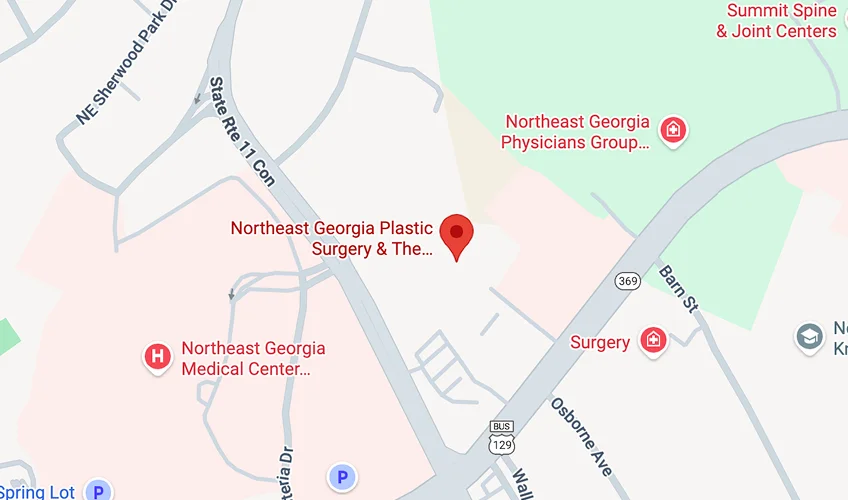
Gainesville


Northeast Georgia Plastic Surgery & Aesthetic Center of Gainesville

1296 Sims Street, NE Suite B Gainesville, GA 30501

770-534-1856

Hours of Operation

Monday – Thursday: 8AM – 5PM
Friday: Availability varies, please call to confirm

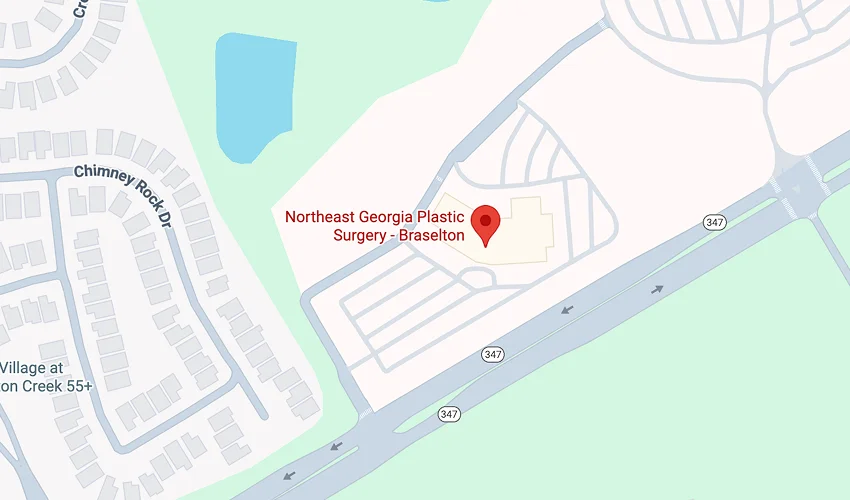
Braselton


Northeast Georgia Plastic Surgery

Medical Plaza 1, 1515 River Place, Suite 365 (3rd Floor) Braselton, GA 30517

770-534-1856

Hours of Operation

Monday – Thursday: 8AM – 5PM
Friday: Availability varies, please call to confirm

Your confidence begins with a conversation

Request Consultation

Request Your Cosmetic Surgery Consultation

By opting into our SMS messaging service, Northeast Georgia Plastic Surgery collects your mobile phone number solely for the purpose of sending you text updates regarding appointment reminders, or to answer your specific inquiries. We will never sell or share your phone number with third parties for marketing purposes. To stop receiving texts, simply reply 'STOP' to any message. See our full Privacy Policy for more details on how we handle your information.